

What is quercetin, and what does it do in your body?
Quercetin is a flavonoid, a natural compound plants make. You already eat some of it in onions, apples, berries and tea.
It's best known for antioxidant support. Antioxidants help your cells handle everyday wear from unstable molecules called free radicals.
When you see quercetin linked to "protection against stress," that usually means oxidative stress, the cell wear antioxidants help with. It isn't the same as feeling stressed.
Quercetin benefits: what the research says
A 2019 review of human studies looked at quercetin and heart health, including blood pressure and inflammation [1].
The amount that showed the most effect was 500 mg of the aglycone form [1]. That's quercetin on its own, with no sugar attached.
Keep in mind, this is a finding from research, not a dose to aim for. Few studies have tested what happens when you eat lots of quercetin-rich foods, so more research is needed [1].
Quercetin benefits for women and men
You may be wondering whether quercetin works differently for women and men. The research we reviewed didn't compare the two, so it doesn't show that quercetin acts differently for you based on sex.
Quercetin supplements: forms, amounts and absorption
There is no official recommended intake for quercetin or for flavonols, the group of flavonoids it belongs to [1]. So any amount on a label is a choice, not a daily target.
A typical US diet gives about 9 to 36 mg of flavonols a day [1]. A 500 mg quercetin supplement is many times that, which is worth knowing before you choose one.
Quercetin dihydrate, phytosome and bromelain: does the form matter?

| Form | What it is | What the research shows |
|---|---|---|
| Glucosides | Quercetin with a sugar (glucose) attached, the form in onions | Absorbed best in the studies reviewed |
| Aglycone | Quercetin on its own, no sugar attached | The form behind the 500 mg heart finding above |
| Quercetin dihydrate | A common powder form named on many labels | Not compared head to head in the research we reviewed |
| Phytosome or with bromelain | Blends sold as special versions | Not covered in the research we reviewed |
How to read a quercetin supplement label
Form: look for the named form, such as dihydrate or aglycone.
Amount per serving: check whether the dose is per capsule or per serving of two.
Third-party testing: a seal from an independent lab means someone outside the company checked what's inside.
Other ingredients: see what quercetin is paired with, and why.
We don't rank brands or reviews. A label that clearly names the form and amount tells you more than a star rating.
Quercetin foods: where it shows up in your day
In the US, tea, onions, apples and red wine supply the most flavonols [1]. So your morning tea and a sliced onion at dinner already count.
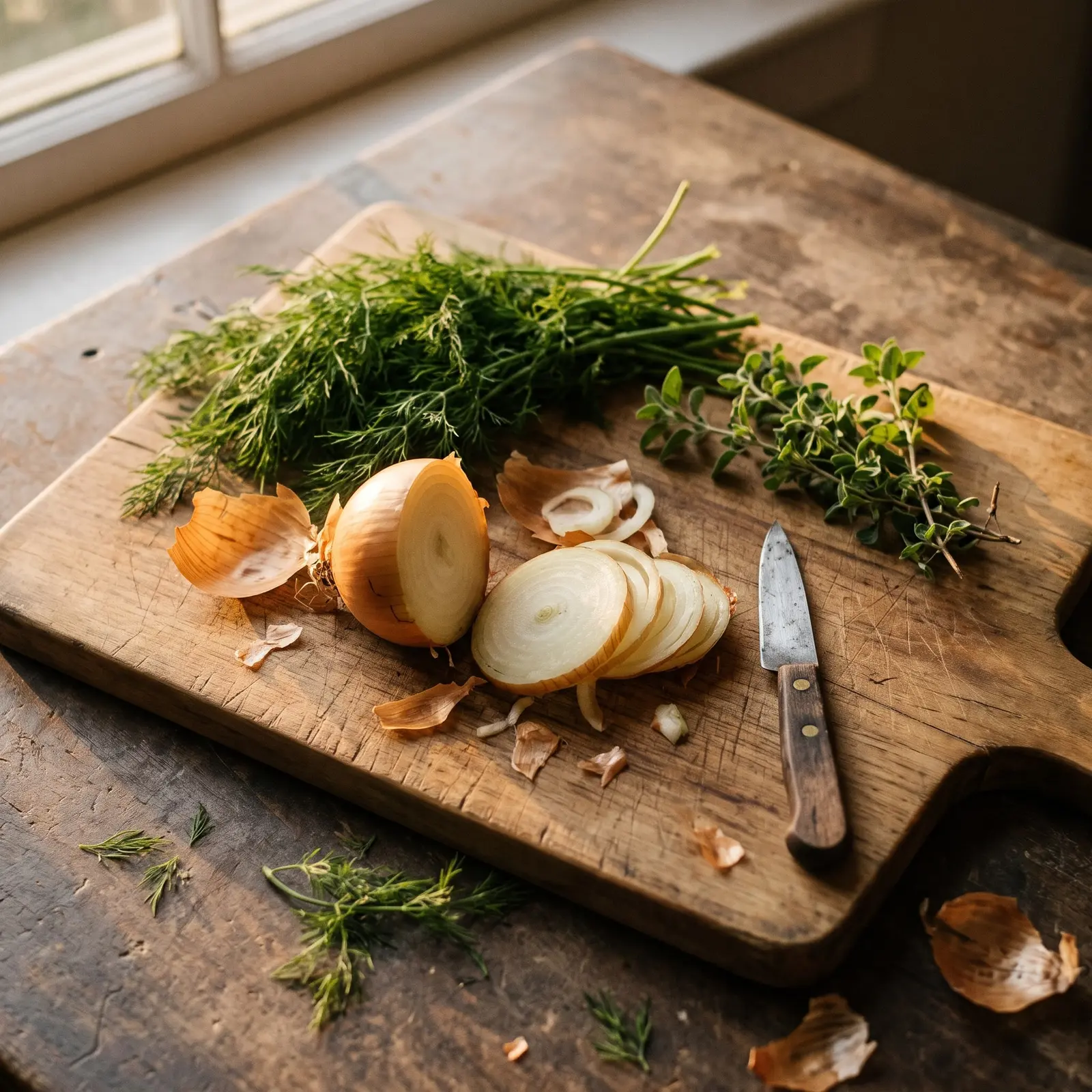
Dill has the most per 100 g, but you use it by the pinch. Onions are likely your best everyday source, since they're high in quercetin and carry the best-absorbed form [1].
Capers often top online lists too. Our sources don't give a figure for them, so we've left them off the chart.

If you'd like to learn about another compound you'll often see on supplement labels, you can read about what NAD+ does in your body.
Frequently asked questions
Is quercetin safe?
Quercetin is a normal part of many foods you already eat. Before you start a supplement, read the safety notes at the end.
How long does it take to notice any effects from quercetin?
The studies we reviewed don't give a clear timeline. Be wary of any promise that you'll feel a change by a certain day.
Should I take quercetin at night or in the morning?
The research we reviewed doesn't point to a best time of day. Pick a time you'll remember, so it fits your routine.
Is it better to take quercetin with food?
Research suggests dietary fat may help your gut absorb the aglycone form. So a meal with a little fat, like eggs or yogurt, is a sensible pairing.
Safety notes and when to see a doctor
The research we reviewed for this article didn't cover quercetin's side effects in depth. So we keep these notes simple and careful. For more, see our guide to quercetin side effects and who should skip it.
Quercetin may interact with some medicines, including certain antibiotics and blood thinners. Check with your doctor if you take any.
If you are pregnant or nursing, under 18, taking medication or have a medical condition, consult your physician before use.
References
These statements have not been evaluated by the Food and Drug Administration. This product is not intended to diagnose, treat, cure, or prevent any disease.



Comments
Sign in to join the conversation.
No comments yet. Be the first.