

Quercetin, the plant compound on your plate
Quercetin is a flavonoid, one of a large family of natural compounds made by plants. You'll find it in everyday foods, and it's known for antioxidant support. An antioxidant helps protect your cells from damage caused by unstable molecules called free radicals.
Quercetin is a food compound first and a supplement second.
As a supplement, it comes in capsules, on its own or next to other ingredients. If you've seen quercetin next to NAD+ on a label, our guide to what is NAD+ explains that compound, and our look at NMN vs NAD+ covers how those two differ. Before we get to how it may feel for you, here's where it goes once you swallow it.
It's taken up from your gut after you eat or swallow it.
It travels through the portal vein, the blood vessel that runs from your gut to your liver. [3]
Your liver changes it into new forms, a step called biotransformation. [3]
What the research on quercetin supplements shows
Most of the research is in the lab or in small human studies, so results in people are still limited.
Quercetin dihydrate and other forms
On a quercetin supplement label you may see a form name, such as quercetin dihydrate. The name tells you the form in the capsule. The studies we drew on don't compare forms, so we can't rank them for you.

Where quercetin shows up: food, tea and blends
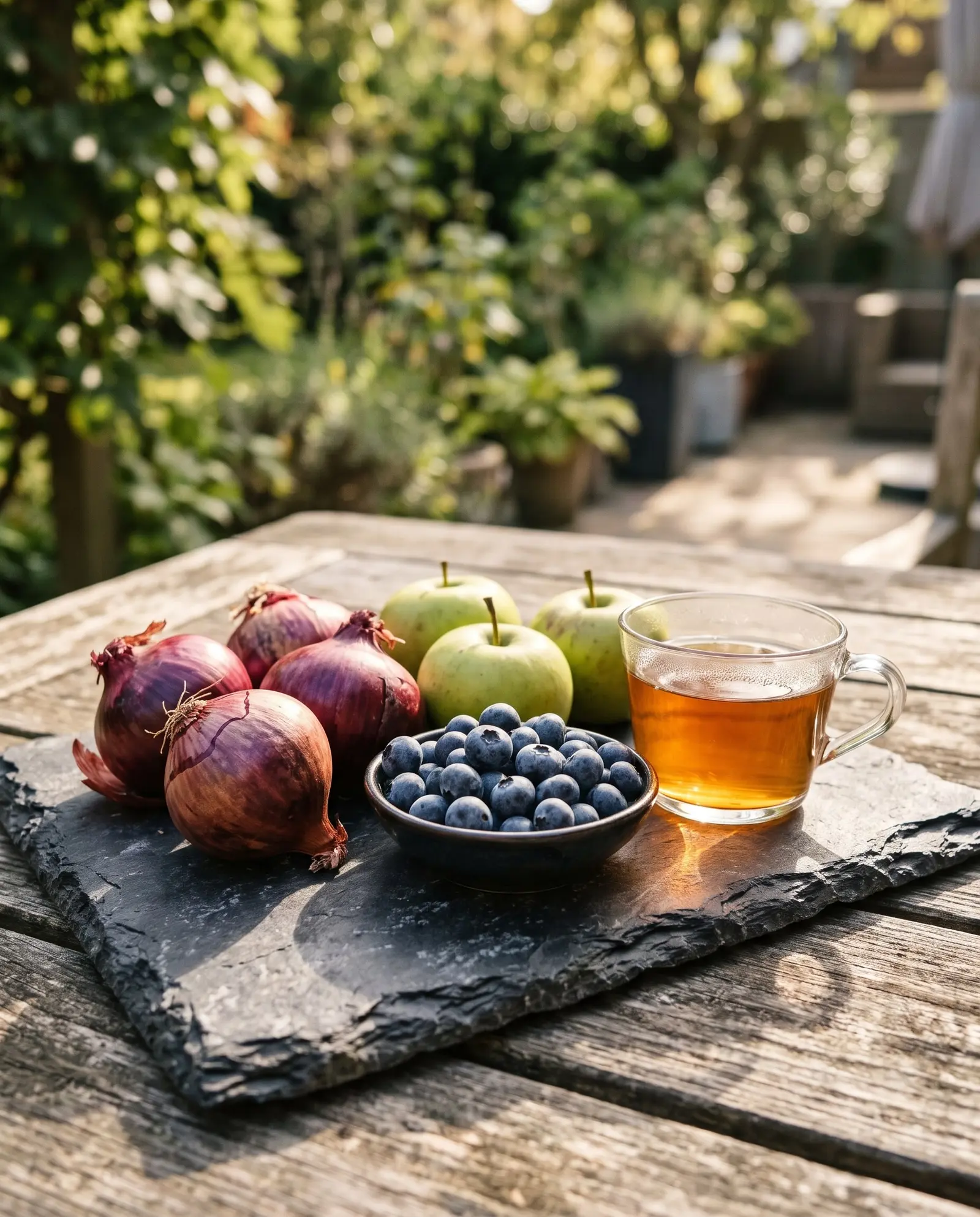
Your plate is where you'll meet quercetin most often.
Everyday foods with quercetin

Onions
A kitchen staple and one of the most common places you'll find quercetin.
Apples
An easy everyday source to keep on the counter.
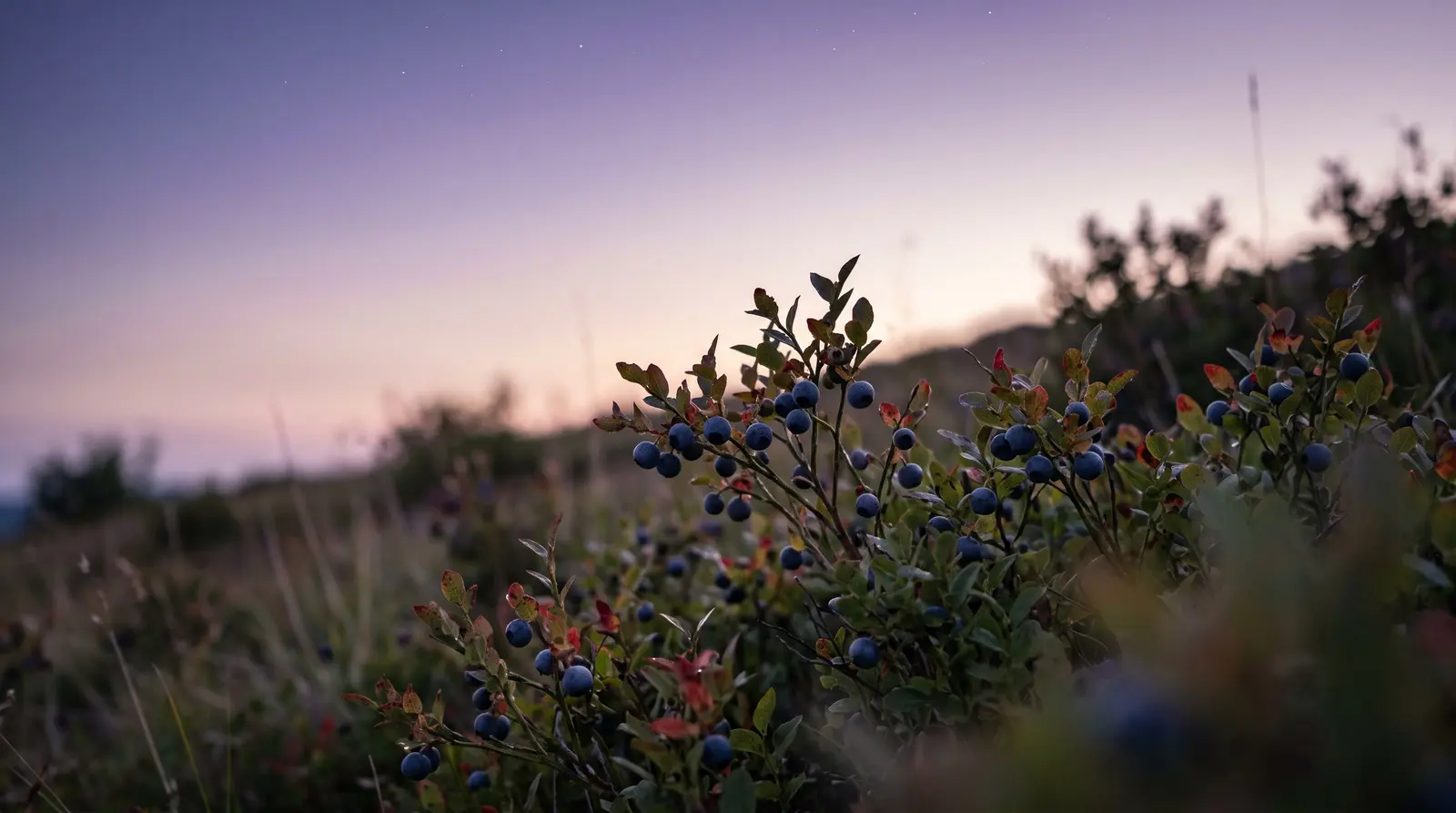
Berries
Add them to breakfast or eat them by the handful.
Tea
A warm cup brings some along with it.
A capsule next to your plate

Food or supplement?
How the amounts compare.
Quercetin from your meals
The foods above add quercetin as part of your normal diet.
- Where
- Everyday foods
- Amount
- Your usual dietary intake
Quercetin in a capsule
Capsules give you a set dose, often more than you usually get from meals.
- Common range
- Up to 1000 mg a day
Quercetin with bromelain and other pairings
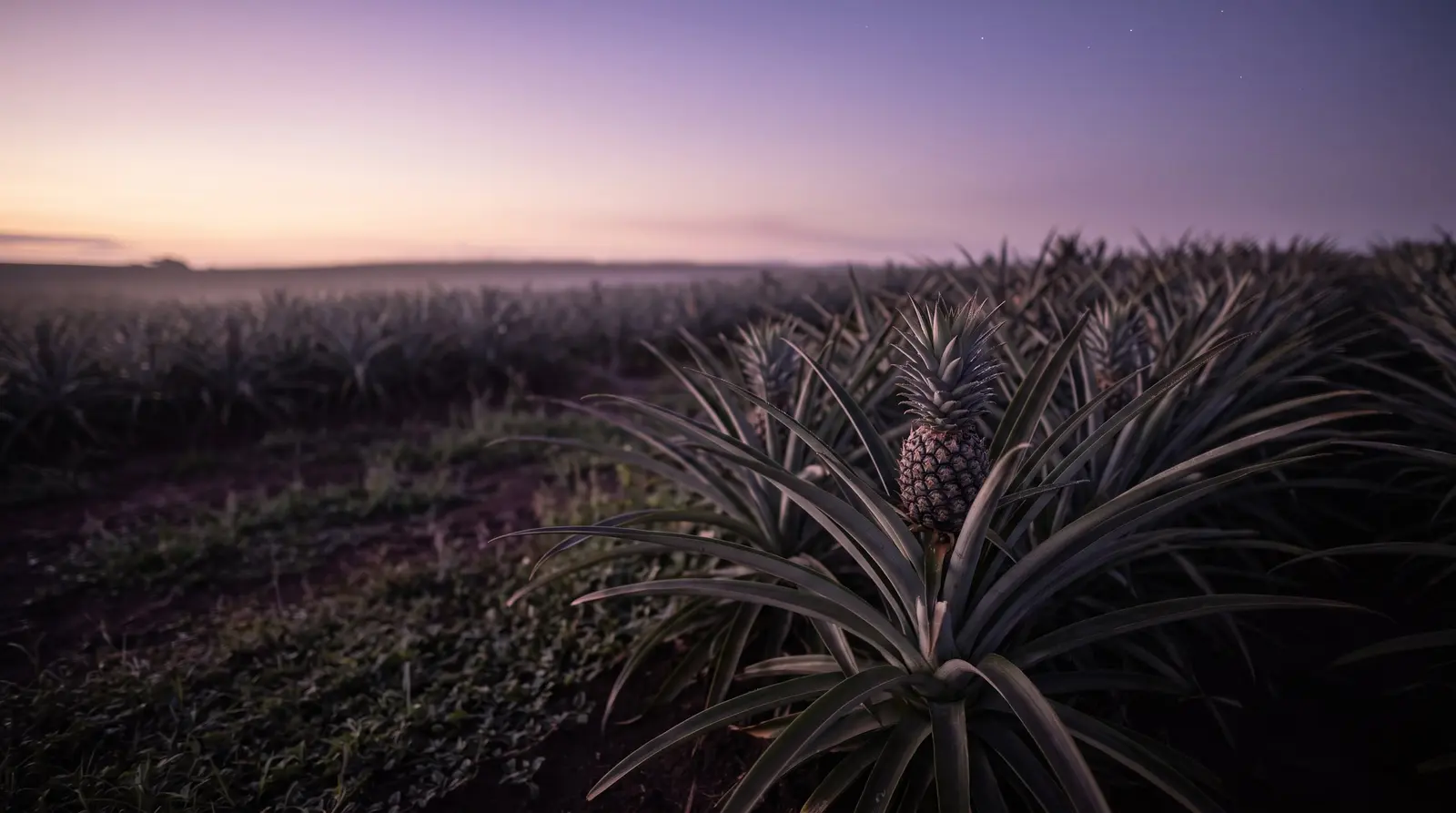
Bromelain is a mix of enzymes from pineapple, and it's a common partner for quercetin. If you've looked up quercetin with bromelain benefits, here's what changes when a label adds it.
Quercetin alone or with bromelain?
One ingredient or two.
Just quercetin
You get the flavonoid by itself, so your label and your notes stay simple.
- Comes from
- Plants
- Known for
- Antioxidant support
Quercetin plus a pineapple enzyme
You add a second ingredient with its own research and its own safety notes.
- Comes from
- Pineapple
- Research
- Often tested in mixes, so its effects alone are unclear
Frequently asked questions
Should I take quercetin at night or morning?
No study we found tested the timing, so follow the directions on your label. Taking it at the same time each day can make it easier to remember.
How do you know if quercetin is working?
Antioxidant support isn't usually something you feel, so there may be no clear sign day to day.
Should I take quercetin with food to reduce side effects?
We cover this in our safety notes at the end.
Quercetin side effects, safety notes and when to see a doctor
The most common side effects of quercetin
In human studies, side effects from quercetin supplements were rarely reported and mild [1]. The ones named are headache, stomach pain and numbness, mostly at higher doses [2].
If your stomach feels off, ask your pharmacist whether to take it with a meal. No study we found tested that for quercetin.
Is it safe every day, and how much is too much?
There's no good safety data yet on 1000 mg or more for longer than 12 weeks [1]. Our sources set no upper limit, so keep to the dose on your label.

Quercetin and your liver, kidneys and heart
We found no quercetin-specific data on liver injury or heart effects, so ask your doctor first if you have a liver or heart condition.
Animal studies suggest it could worsen existing kidney damage or promote estrogen-dependent cancers [1]. These are early findings, but they shape who should check first.
Medicines, caffeine and other supplements
In lab studies, quercetin blocks CYP3A4, CYP2C9 and CYP1A2, liver enzymes that help break down many medicines. That could raise levels of statins (cholesterol medicines), warfarin (a blood thinner) and sulfonylurea diabetes drugs [3]. Harm hasn't been shown in patients, so this is a question for your pharmacist.
One small human study found that in 12 healthy young men, 500 mg a day for two weeks slowed how fast the body broke down caffeine [4]. If your mornings include coffee, notice how it feels.
Quercetin with bromelain side effects
Bromelain's side effects are uncommon and usually mild: stomach upset, diarrhea, belly discomfort or nausea [5][6]. Hives and rash have been reported and serious allergic reactions are rare, so take care if you're allergic to pineapple [6].
Bromelain isn't linked to liver injury [6]. Still, check with your provider first if you take any medicine, and its safety in pregnancy and breastfeeding is not well known [5].
Track how you feel
Start one new supplement at a time, on a day you'll remember.
Jot down any headache, numbness or stomach change.
References
- Safety Aspects of the Use of Quercetin as a Dietary Supplement (Andres et al., Mol Nutr Food Res 2018, review). PubMed (NIH/NLM).↩
- Quercetin supplementation in type 2 diabetes (interim analysis, peer-reviewed; includes safety literature summary). PubMed Central (NIH/NLM).↩
- Quercetin in metabolic diseases: mechanisms, therapeutics, and multidimensional frontiers (review). PubMed Central (NIH/NLM).↩
- Quercetin Significantly Inhibits the Metabolism of Caffeine, a Substrate of Cytochrome P450 1A2 (2014 human study). PubMed Central (NIH/NLM).↩
- Bromelain: Usefulness and Safety. NCCIH (NIH).↩
- LiverTox: Bromelain. NIH NIDDK / NLM (LiverTox).↩
These statements have not been evaluated by the Food and Drug Administration. This product is not intended to diagnose, treat, cure, or prevent any disease.



Comments
Sign in to join the conversation.
No comments yet. Be the first.