

What is resveratrol, and where does it come from?
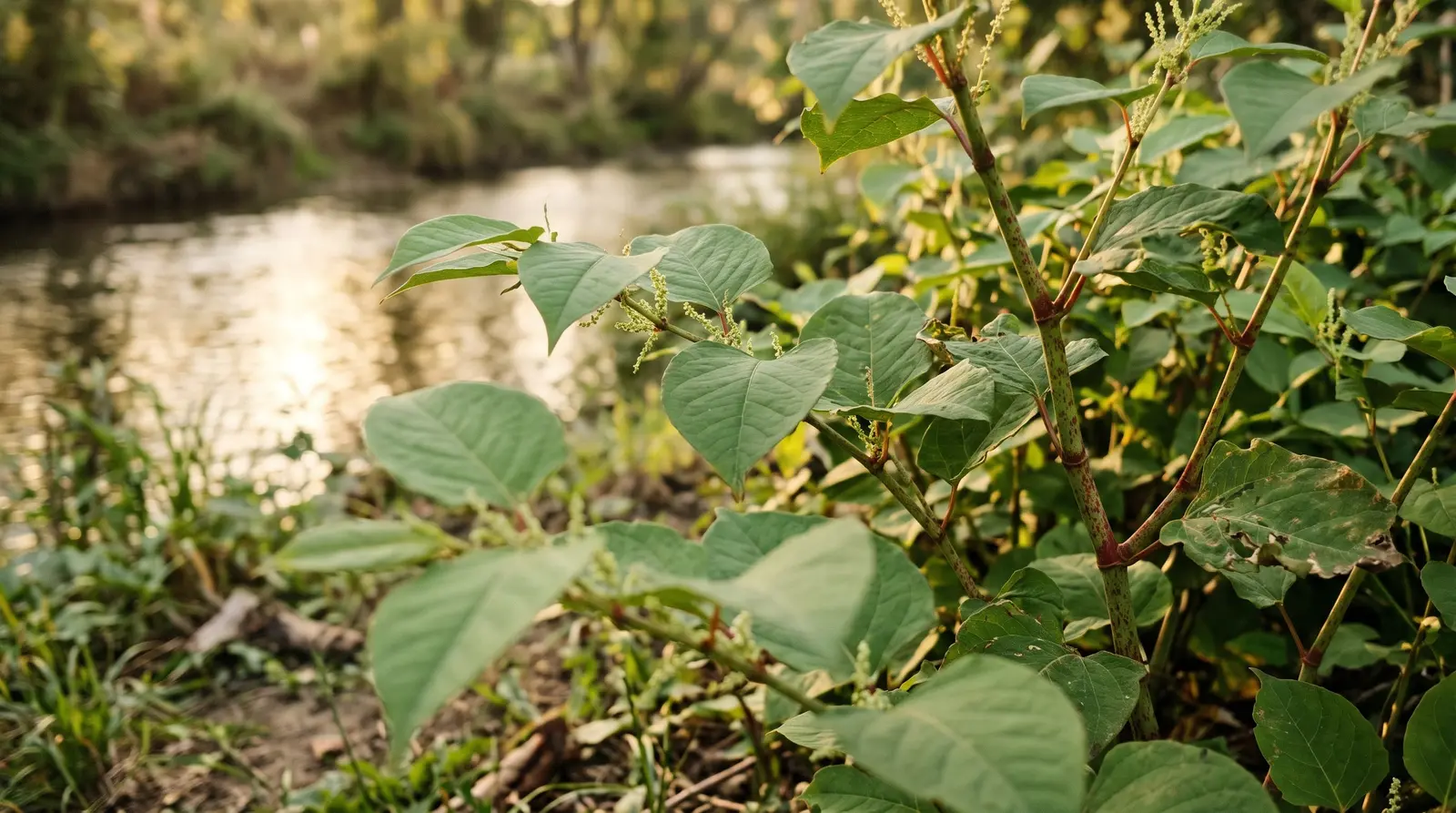
Resveratrol is a polyphenol, a natural compound that plants make. One rich source is a plant called Japanese knotweed [2], and you'll meet the everyday food sources further down.
Researchers are curious about it because it shows antioxidant and anti-inflammatory properties [2]. Antioxidants help shield your cells from everyday wear, known as oxidative stress.
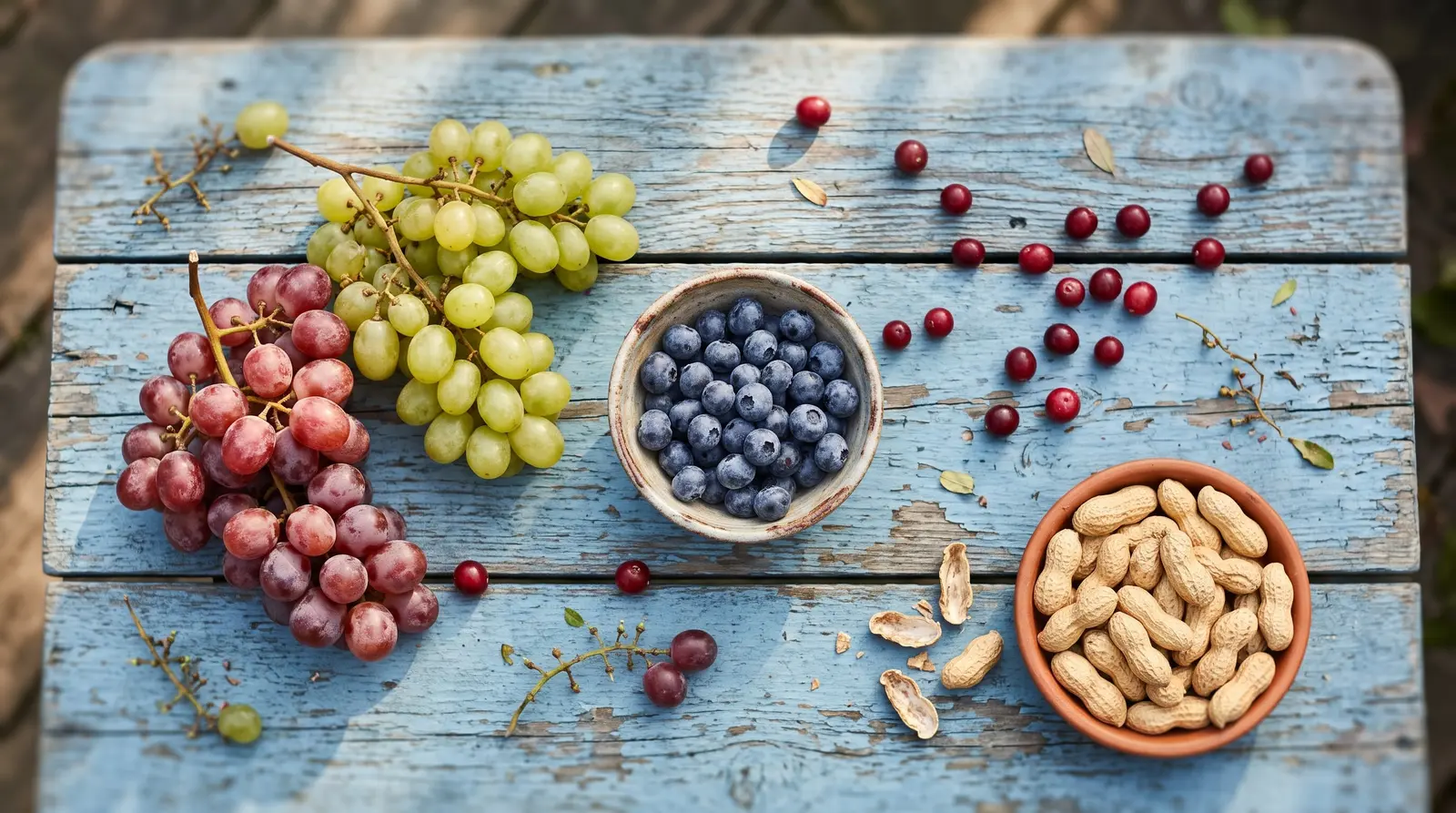
The resveratrol in red wine comes from the skin of grapes used to make wine.
What the research shows about resveratrol benefits
Here's where the science stands. Most resveratrol research so far has been in cells and animals, not people [1].
Human trials do exist. They're often small and early-stage, so their findings are a starting point rather than a final word [1].


| Area studied | What was found | Where the research is |
|---|---|---|
| Inflammation | Fairly consistent drops in inflammatory markers, the signals in your blood that rise with inflammation | Small, early human trials |
| Metabolism | Some gains in metabolism, meaning how your body uses and stores energy | Small, early human trials |
| Heart health | Mixed results so far | Human studies, mixed |
You may have heard of resveratrol because of red wine and heart health [3]. The review's authors call for larger, high-quality trials to learn more [1].
How resveratrol may work in your body
Scientists have a proposed explanation, much of it from animal research. It centers on two enzymes, SIRT1 and AMPK, that help regulate your metabolism [2].
After you swallow it, resveratrol is absorbed and carried through your blood. [2]
In living things, resveratrol switches on these two enzymes. [2]
Most of it leaves in your urine within about four hours. [2]
To learn more about energy in your cells, read our guide to NAD+, a molecule your cells use to make energy.
Where resveratrol shows up in everyday life
Everyday sources of resveratrol

Grapes and grape juice
Grapes and grape juice give you some without alcohol.
Blueberries and cranberries
These berries carry a little resveratrol of their own.
Peanuts
A handful adds a small amount to your day.

Curious about other plant compounds in your fruit bowl? Quercetin, found in onions and apples, is another one worth a read.
How to choose a resveratrol supplement
Resveratrol supplements come as capsules, tablets and powder. The shape is mostly about what's easy for you to take, so the label matters more than the shape.
Here's what to look for on a resveratrol label:
The amount per serving, stated in milligrams.
The source, the plant the resveratrol comes from.
The form, such as trans-resveratrol, the form measured in the absorption studies below [2].
Clear directions, so you know when and how to take it.

Food, wine or a supplement?
Three ways resveratrol can reach you, side by side.
Grapes, berries and peanuts
An easy everyday source. The amount varies a lot, so there's no set serving of grapes that matches a supplement.
- Amount
- Varies widely
Red wine
Red wine carries some resveratrol too. For what to know about alcohol, see the safety notes at the end.
- Alcohol
- See the safety notes
Capsules, tablets or powder
A supplement states its amount on the label.
- Dosing
- Follow your label
When to take resveratrol: morning, night or with food
How much resveratrol your body takes in depends on three things: the dose, the food you take it with, and the time of day [2].


Morning, evening or with a meal?
What the small studies found about timing.
Taking it in the morning
One small trial found more was absorbed when resveratrol was taken in the morning. It's one study, so treat it as a gentle hint.
- Absorption
- Higher in one trial
Taking it in the evening
In that trial, evening doses were absorbed less well. The studies we found don't look at sleep.
- Absorption
- Lower than morning in one trial
With a meal
In a study of 24 healthy volunteers, a high-fat meal slowed how fast resveratrol was absorbed. The total amount taken in stayed the same.
- Speed
- Slower
- Total absorbed
- Unchanged
Frequently asked questions
How much resveratrol should you take each day?
There's no agreed dosing plan for any use yet. So your supplement's label is your guide. For questions about your own health, see the safety notes below.
Are resveratrol benefits different for women and men?
We didn't find research showing it works differently by sex. Trials have looked at many topics, including menopause symptoms.
How long does it take to notice effects from resveratrol?
There's no clear answer yet, because the research hasn't set a timeline.
What is more powerful than resveratrol?
We didn't find research ranking plant compounds against each other, so there's no clear winner.
Does resveratrol help your skin?
You'll find resveratrol in plenty of skincare. The research we cover here is on resveratrol you swallow, so it doesn't speak to creams or serums.
Safety notes and when to see a doctor
In trials, resveratrol was generally well tolerated [1]. Side effects showed up mainly at very high doses and were digestive: nausea, gas, stomach discomfort, loose stools and diarrhea [2].
Any supplement might cause side effects, so notice how you feel when you start [3].
What to avoid when taking resveratrol
Blood thinners or surgery: resveratrol may slow blood clotting, so check with your doctor if you take a blood thinner or have surgery coming up.
Alcohol: Mayo Clinic advises against starting to drink alcohol just for heart benefits [3].
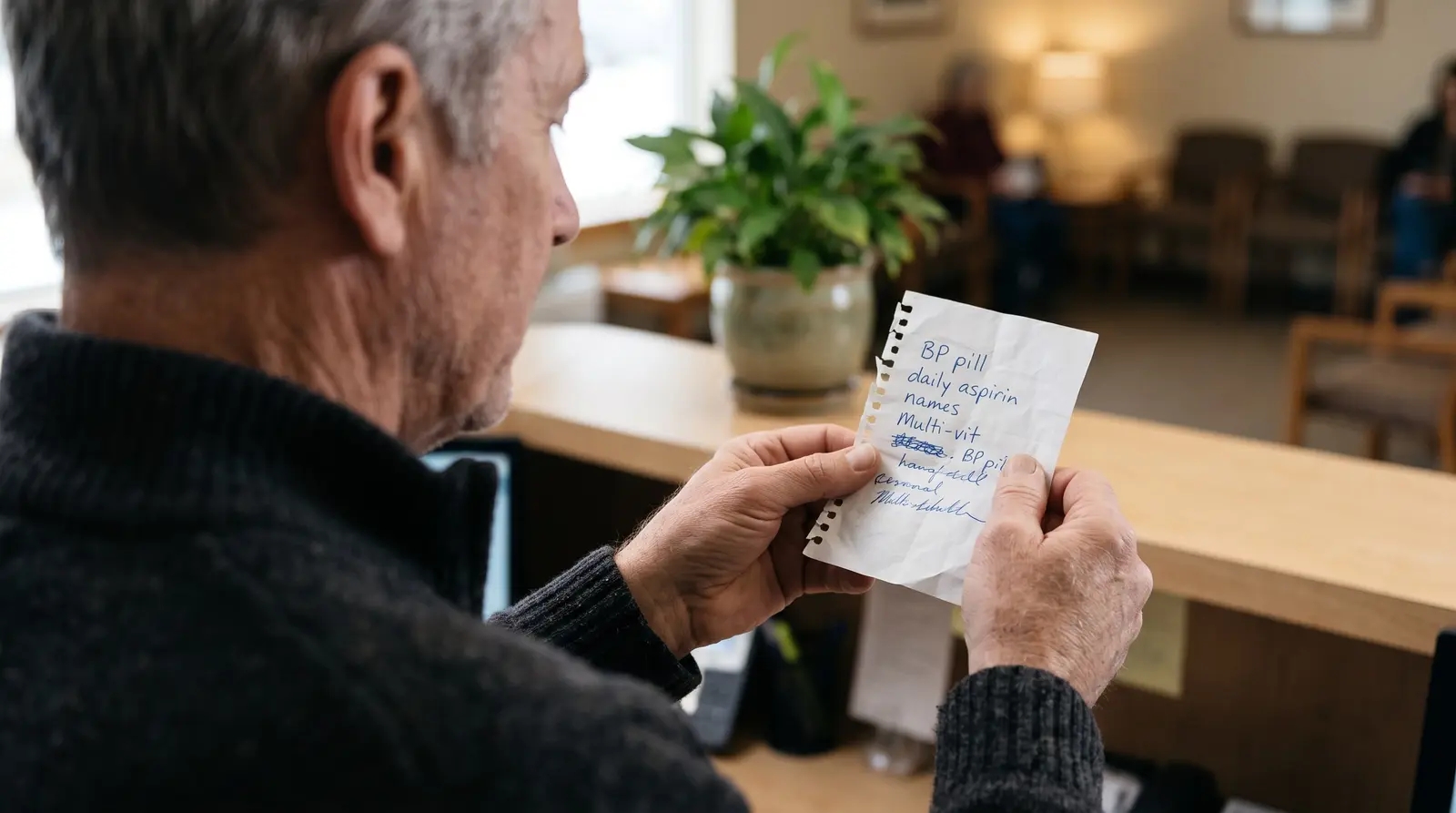
Label caution: if you are pregnant or nursing, under 18, taking medication or have a medical condition, consult your physician before use.
Our guide on why you might feel tired all day walks through common reasons.
References
- Resveratrol for the Management of Human Health: How Far Have We Come? A Systematic Review of Resveratrol Clinical Trials to Highlight Gaps and Opportunities. International Journal of Molecular Sciences (2024), via PMC/NIH.↩
- Health Effects of Resveratrol: Results from Human Intervention Trials. Nutrients (2018), via PMC/NIH.↩
- Red wine and resveratrol: Good for your heart? Mayo Clinic.↩
These statements have not been evaluated by the Food and Drug Administration. This product is not intended to diagnose, treat, cure, or prevent any disease.



Comments
Sign in to join the conversation.
No comments yet. Be the first.