
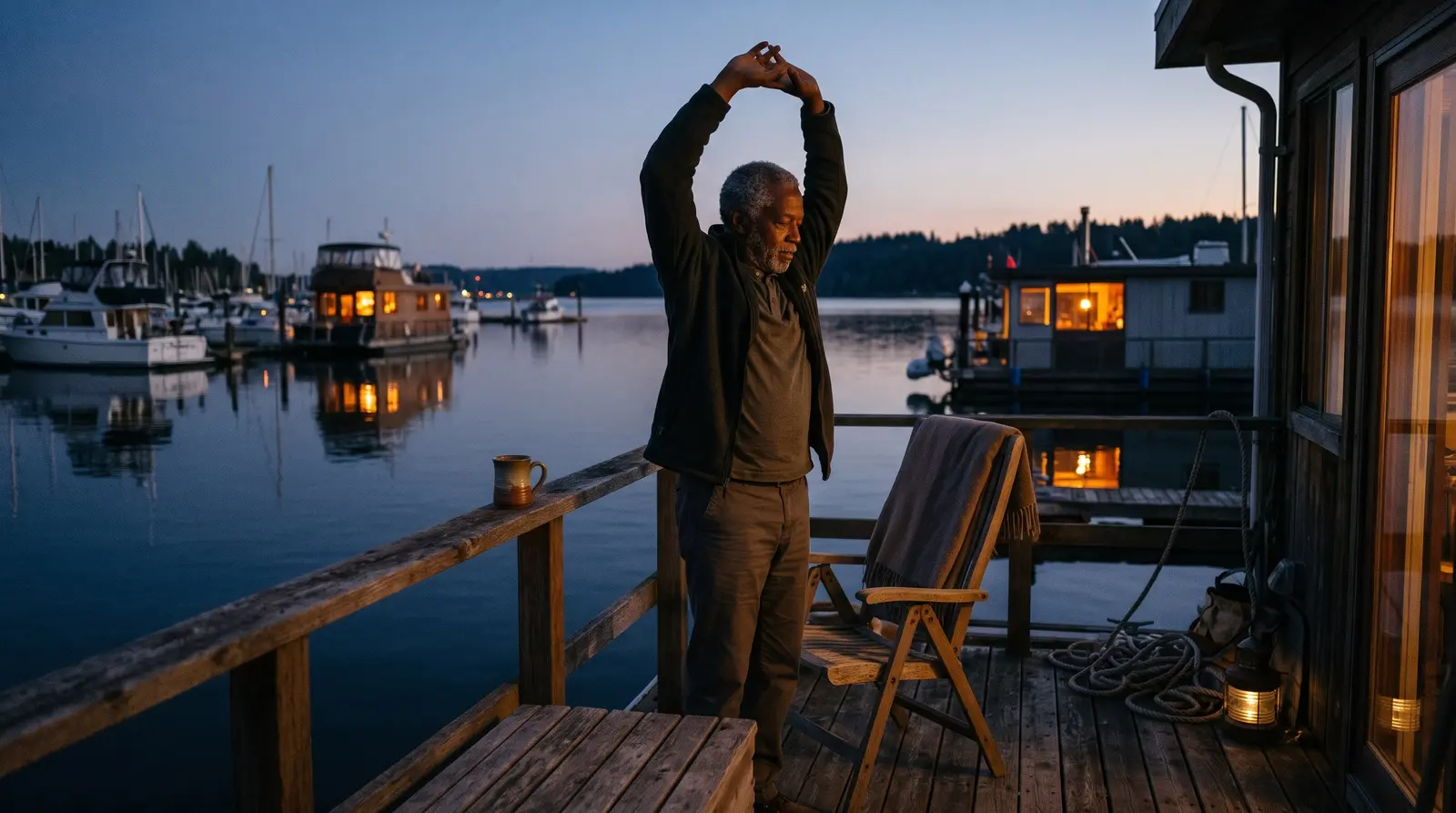

Why do I feel tired all day? Start with your night
How much sleep do you need to feel rested? Here's the number experts give.
Experts recommend that adults sleep between 7 and 9 hours a night.
But the hours are only part of the story. How well you sleep counts too.
Why do I wake up tired after 8 hours of sleep?
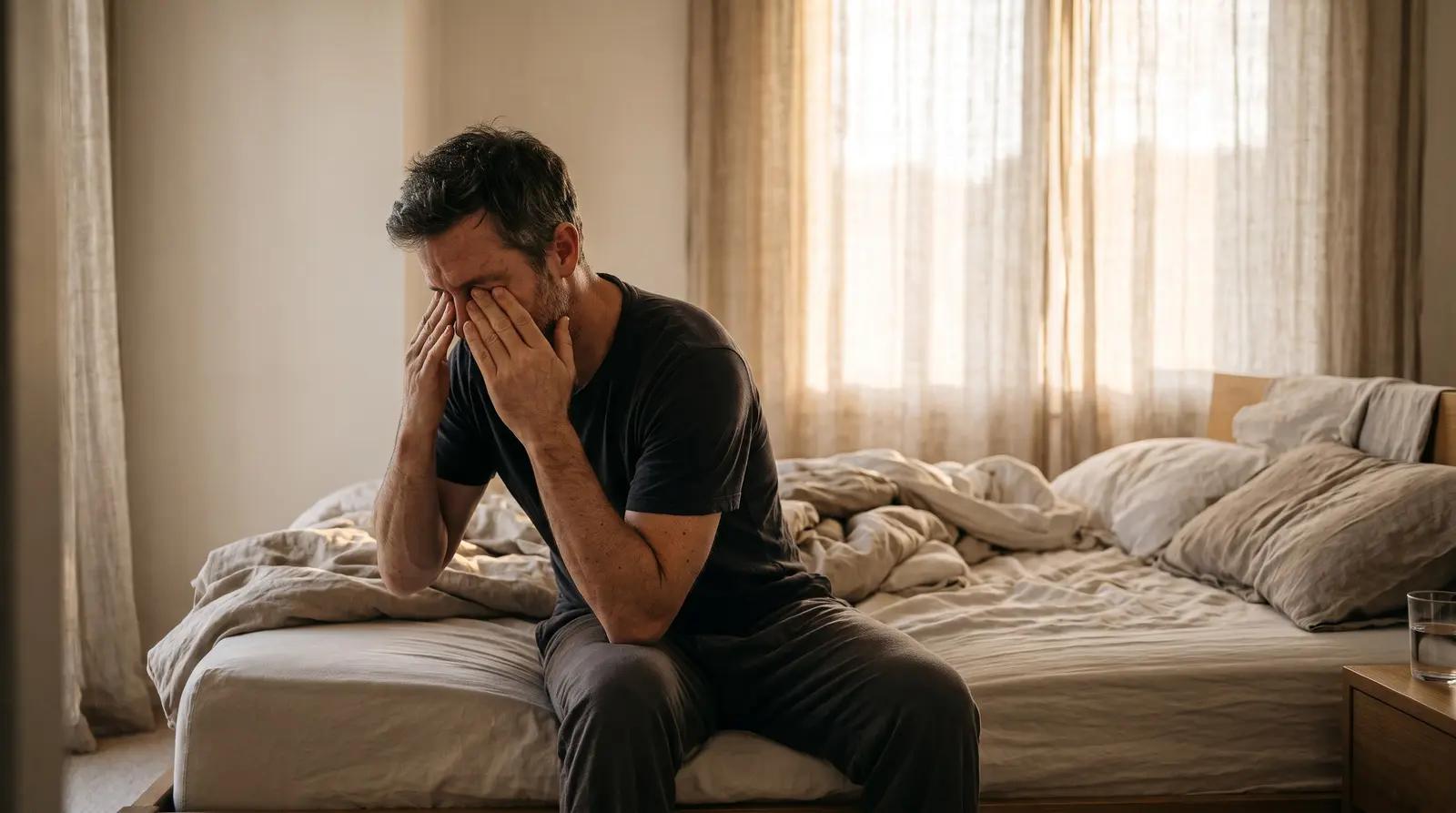
Eight hours in bed isn't always eight hours of restful sleep. If your night is broken by wake-ups you barely remember, you can wake up tired even after a full night in bed.
Some clues are hard to catch on your own. Loud snoring, breathing that stops and starts, or gasping for air can point to sleep apnea, and you may not know until someone tells you [2].
Waking often to pee at night can be another sign of sleep apnea [2], and our guide on why you wake up to pee at night explains more.
Why am I sleeping too much all of a sudden?
Sleeping more than 9 hours isn't always a problem. It can help when you're catching up on lost sleep or getting over an illness [3].
But if you're tired all the time and sleeping a lot with no clear reason, sleep disorders like narcolepsy, thyroid changes and low mood are possible causes [1].
Why do I feel tired after doing nothing all day?
A slow day can feel restful and still leave you flat. Regular exercise is one of the home tips for easing fatigue [1], and a still day skips it.

Mood matters too. Depression or grief can show up as tiredness [1], so if your quiet days feel heavy rather than restful, that's worth noticing.
Why do I feel tired in the afternoon but not at night?
An afternoon slump can have the same roots as a tired day: a short night, hours without water, or a stressful morning catching up with you [1].

Another coffee can feel like the answer. But caffeine and other stimulants don't fix fatigue [1].
Why am I always tired with no energy as a woman?
If you're a woman who's always tired, a few causes deserve a closer look. Low iron can cause fatigue even when you don't have anemia (anemia means too few healthy red blood cells) [1].
Sleep apnea can look different for you, too: its fatigue, headaches and trouble sleeping are more common in women [2]. And if your days carry a heavy mental load, stress counts [1].
Free habits that help your energy, starting tonight
Give yourself time for a full night in bed.
Keep a steady wake time, weekends too.
Take a daily walk [1].
Sip water through the day and eat balanced meals [1].
Go easy on caffeine, and skip alcohol and nicotine [1].
Ease one stressor this week, if you can [1].
Set screens down early.
A steady wind-down makes these habits easier to keep. Here's a simple one to set to your bedtime, and our guide to winding down for faster sleep has more ideas.
Your wind-down, set to your bedtime
- 90 min before
Screens down
Charge your phone outside the bedroom.
- 60 min before
Warm shower
Let the day rinse off.
- 45 min before
Lamps low
Switch off bright overhead lights.
- 30 min before
Write it down
Put tomorrow's to-do list on paper, not in your head.
- 15 min before
Read something calm
A paper book and a few slow breaths.
- Bedtime
Lights out
Same time most nights, and the same wake time each morning.
Magnesium glycinate and 5-HTP: two ingredients with a sleep story
When your tired days trace back to restless nights, two ingredients have a story worth knowing.
Magnesium glycinate: calm for muscles and nerves
Magnesium is a mineral that helps run more than 300 enzyme systems in your body, including the ones behind muscle and nerve function [5]. You'll find it in leafy greens, beans, nuts, seeds and whole grains [5].
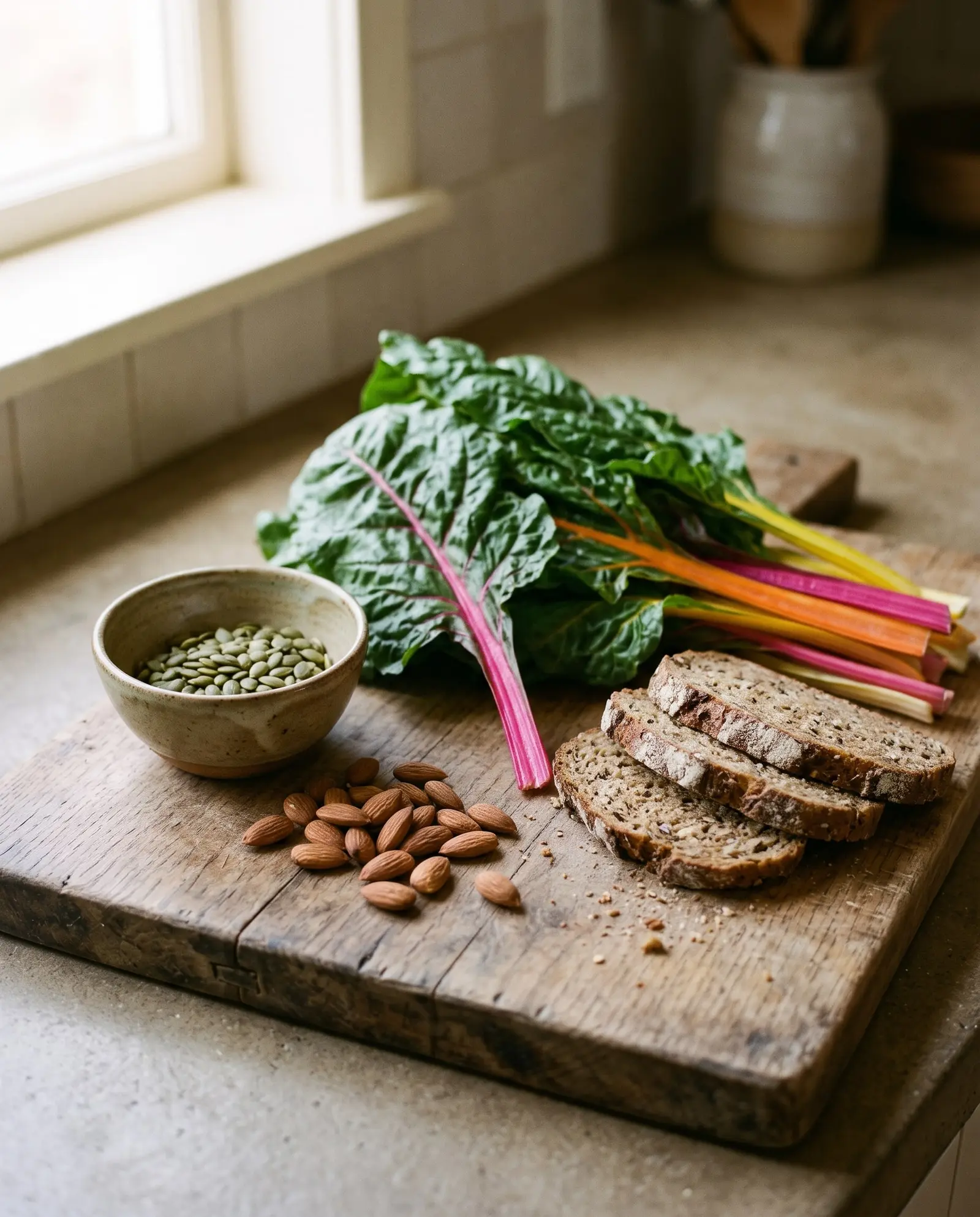
Magnesium glycinate is magnesium bound to glycine, an amino acid.
A 2021 review of three studies in older adults with insomnia found magnesium may help them fall asleep faster. But the studies were low quality, so the research is still limited [4].
5-HTP: a building block for serotonin
5-HTP is a building block your body turns into serotonin, a messenger involved in mood, thinking and sleep [6]. Most 5-HTP supplements are made from the seeds of a plant called Griffonia simplicifolia [6].
Frequently asked questions
Does too much screen time in the evening make me more tired the next day?
The sources behind this article don't cover evening screens, so we won't guess. You can test it for yourself: set your screens down early for a week, like in the wind-down above, and notice how your days feel.
Why does my brain get tired easily?
Daytime sleepiness can make it harder for you to learn, focus and react, so short or broken sleep is a good first place to look. If the fog lingers, see the safety notes below.
Safety notes and when to see a doctor
Feeling tired now and then is part of life. But if it hangs on, or you can't find a reason, it's time to check in.
If you are pregnant or nursing, under 18, taking medication or have a medical condition, consult your physician before taking any supplement.
References
- Fatigue: MedlinePlus Medical Encyclopedia. MedlinePlus (U.S. National Library of Medicine).↩
- Sleep Apnea Symptoms. National Heart, Lung, and Blood Institute (NIH).↩
- How Sleep Works - How Much Sleep Is Enough? National Heart, Lung, and Blood Institute (NIH).↩
- In the News: Magnesium Supplements for Sleep Disorders. National Center for Complementary and Integrative Health (NIH).↩
- Magnesium - Health Professional Fact Sheet. NIH Office of Dietary Supplements.↩
- 5-Hydroxytryptophan (5-HTP): Natural Occurrence, Analysis, Biosynthesis, Biotechnology, Physiology and Toxicology. International Journal of Molecular Sciences (via PMC/NIH).↩
These statements have not been evaluated by the Food and Drug Administration. This product is not intended to diagnose, treat, cure, or prevent any disease.



Comments
Sign in to join the conversation.
No comments yet. Be the first.