


Why sleep hygiene works: your body learns your cues
Sleep hygiene is a name for the daily habits and room setup that shape your sleep. Nothing about it is clinical. It's the small things you do on repeat.
And repeat is the key word. A steady routine of dim light, warmth and the same few steps before bed can teach your body that sleep comes next.
Think of how you get hungry when you smell dinner cooking. Your body links a cue with what follows, and bedtime works the same way. Our piece on the science of winding down digs into this.
Dimmer lamps mark the shift from your day to your night.
A warm shower or a warm cup becomes part of the pattern.
Doing them in order, night after night, makes them predictable.
So one perfect night won't fix much, and one rough night won't undo much. The pattern matters more than any single evening.
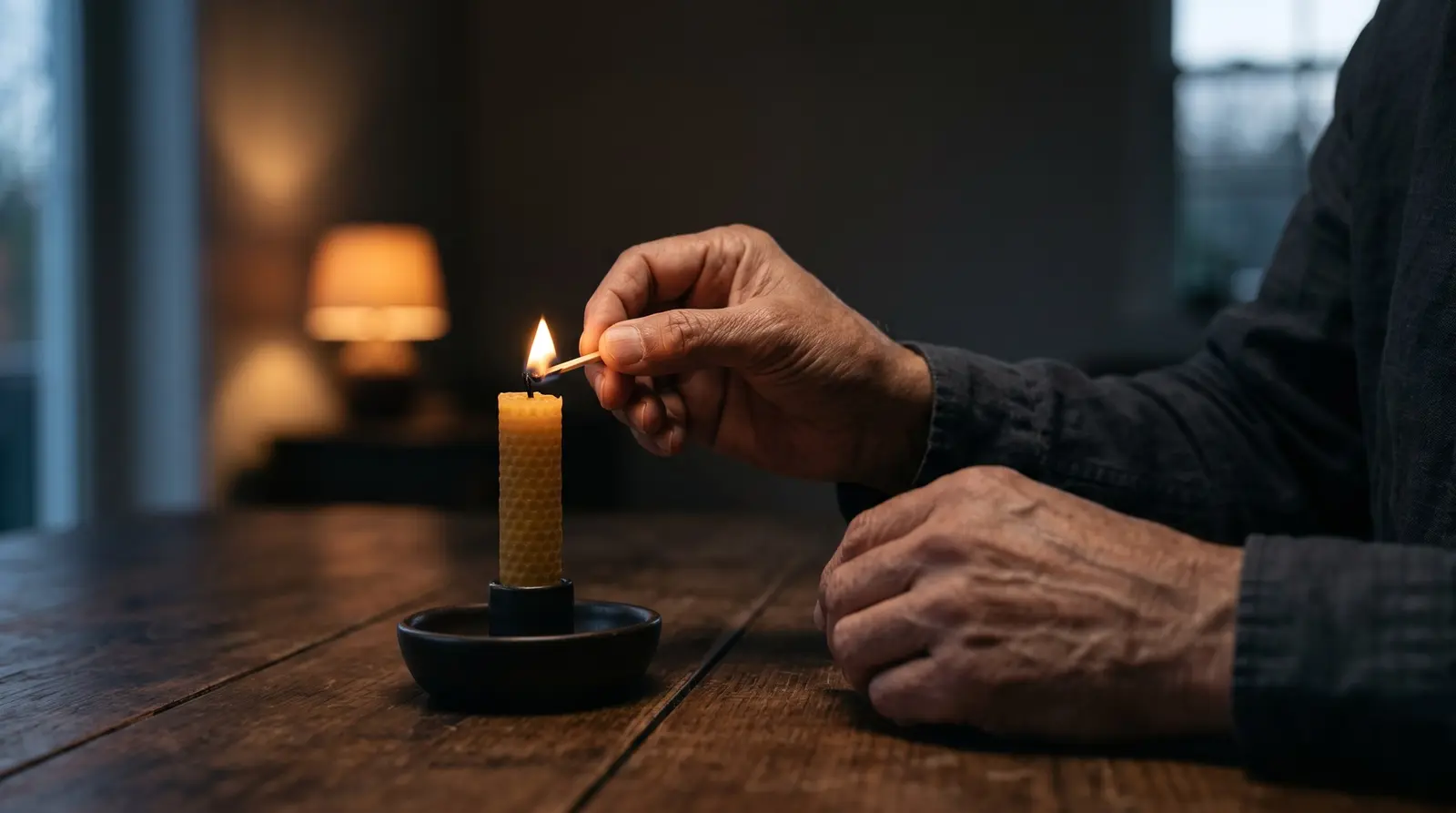
Four parts of your day that shape your sleep
Your sleep is shaped all day long, not only at bedtime. It helps to sort your habits into four areas.
Your schedule
Going to bed and waking at very different times sends your body mixed signals.
Your room
Your bedroom works best when it says sleep, not work or scroll. Cool, dark and quiet is the classic setup, and a bed used only for sleep keeps that link strong.
What you eat and drink
Late caffeine, a heavy late meal or a nightcap can all get in the way. If sweets are your evening habit, see why sugar may keep you up, and our guide to food and your sleep goes further.
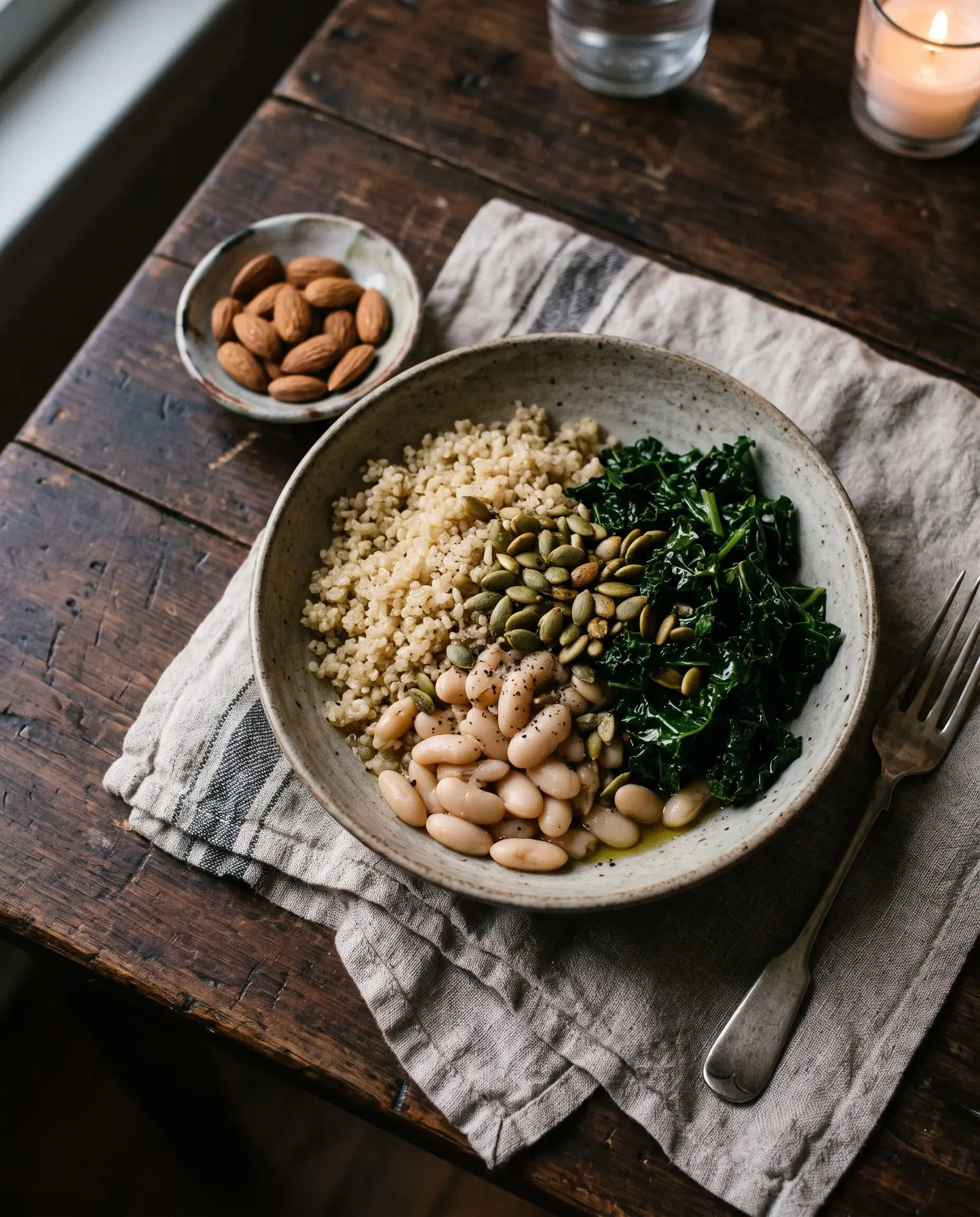
Stress and a busy mind
A racing mind is one of the hardest things to sleep through. If that's your night, why your mind won't switch off walks through it, and how stress and short sleep feed each other explains the loop.
Calming cues help here, and scent is an easy one to add. In a 2019 review, breathing in lavender lowered anxiety scores, though most of the trials had a high risk of bias, meaning flaws in how they were run could have skewed the results [2].
How to have better sleep hygiene with free daily habits
None of these cost a thing. Pick one or two that fit your life; you don't need them all at once. If nights are already hard, our guide to sleep hygiene for insomnia goes deeper.
Build your sleep drive during the day
Sleep drive is the pull toward sleep that grows the longer you're awake and active. Long, late naps can drain it.

Keep the same wake time, even after a bad night
After a rough night, sleeping in feels kind. But a steady wake time keeps your rhythm steady, and a little tiredness helps you sleep the next night.
Protect your sleep window
Long hours awake in bed can teach your body that bed is for lying awake. Keep your time in bed close to the sleep you actually get, and let it grow as sleep settles.
Turn the evening down
Bright screens, work email and tense shows keep your mind in daytime mode. As the night goes on, dim the lights and swap in quieter things.
A 60-minute wind-down, from dinner to lights out
Here's a sample evening you can set around your own bedtime. Shift the times to fit, but keep the order the same so it becomes a cue.
Your one-hour wind-down
- 60 min before
Close out the day
Clear the kitchen, write tomorrow's to-do list on paper and dim the overhead lights.
- 45 min before
Screens down
Put your phone on its charger out of reach and leave work for tomorrow.
- 35 min before
Warm shower or bath
Use the same calming scent each time, so warmth and smell become your signal.
- 20 min before
Something quiet
Read a few pages, stretch gently or sip a caffeine-free tea by lamplight.
- Bedtime
Lights out
Cool, dark room. If thoughts pop up, jot them down and let them wait for morning.
Why a warm, scented shower makes a good cue
A warm shower is easy to repeat and draws a clear line between your day and your night. Add one steady scent, and your nose learns the moment too.
Lavender is a natural pick: its name comes from the Latin lavare, meaning to wash [1]. For how a lavender bar feels in an evening routine, read about lavender soap and its scent.

Want more ideas for your hour? Try our relaxing bedtime routine or the full bedtime routine guide.
Your sleep hygiene checklist to print or save
If you came looking for a sleep hygiene PDF or a printable handout, this checklist puts the everyday basics on one page. Print this page or save it as a PDF, and keep it where you'll see it each night.
Did you wake up at your usual time today?
Did you get some daylight and movement?
Did you keep naps short and early, or skip them?
Did you keep caffeine to the earlier part of the day?
Did you eat your last big meal well before bed?
Did you dim the lights and put screens away?
Did you do your wind-down steps in the same order?
Was your room cool, dark and quiet?
If you couldn't sleep, did you get up instead of forcing it?
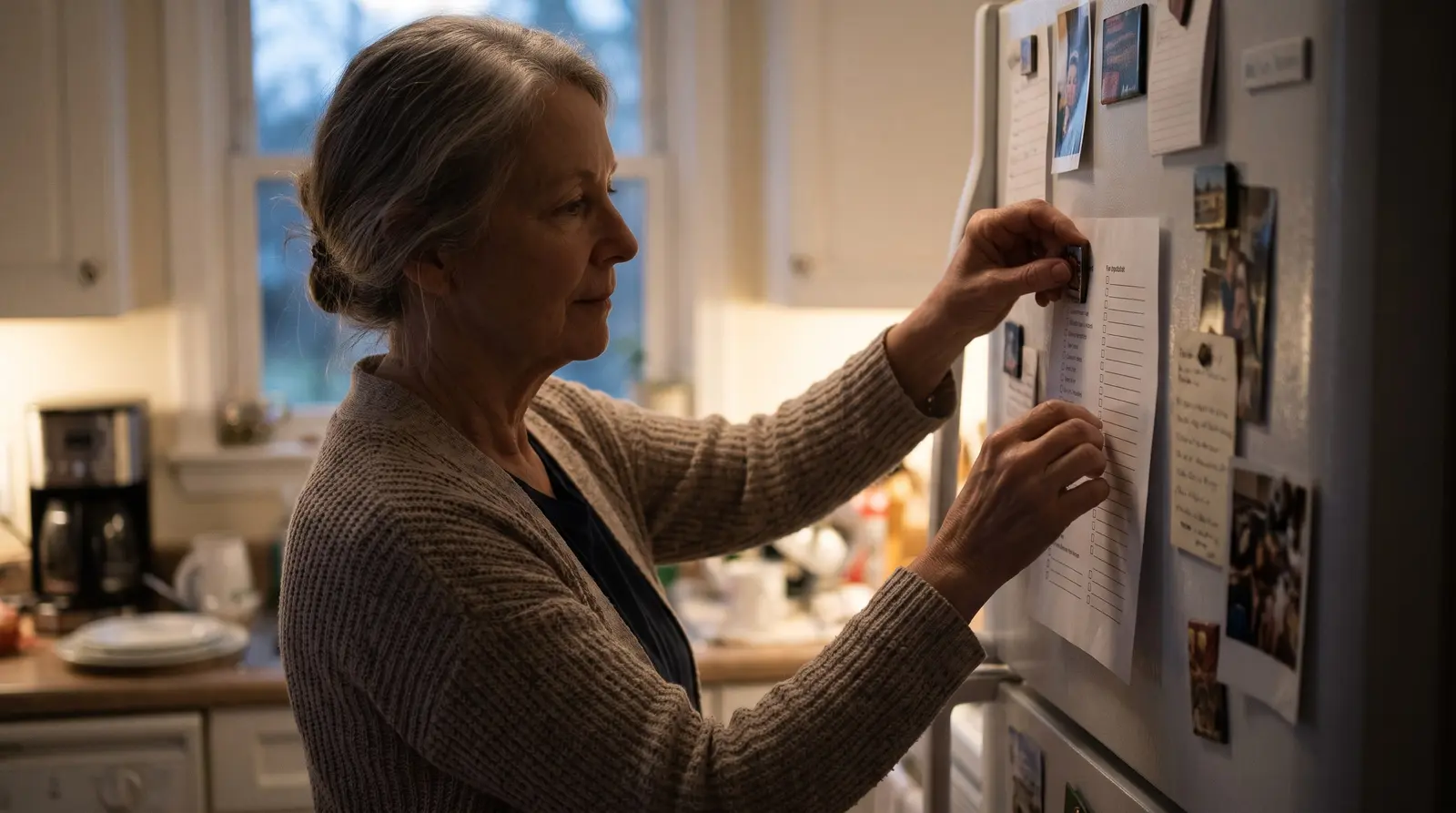
Lista de higiene del sueño (the checklist in Spanish)
Here's the same list in Spanish, for you or someone you share a home with.
¿Te despertaste a tu hora de siempre?
¿Tomaste luz del día y te moviste?
¿Tu siesta fue corta y temprano, o no dormiste siesta?
¿Tomaste cafeína solo en la primera parte del día?
¿Hiciste tu última comida grande con tiempo antes de dormir?
¿Bajaste las luces y guardaste las pantallas?
¿Hiciste tu rutina para relajarte en el mismo orden?
¿Tu cuarto estaba fresco, oscuro y en silencio?
Si no podías dormir, ¿te levantaste en vez de forzarlo?
A quick sleep hygiene questionnaire
Answer these four questions honestly. Each yes points to an area to work on first.
Does your wake time change a lot between weekdays and weekends?
Is your bedroom also your office, TV room or phone zone?
Do your evenings run at full speed until the light goes off?
Do caffeine, a late meal or a nightcap show up most evenings?


Where to start, based on your answers
Find the area where you said yes.
Start with your wake time
Choose one wake time and keep it all seven days. Once mornings are steady, sleepiness at night tends to line up too.
Give your bed one job
Move work and scrolling somewhere else, so walking into your bedroom feels like a signal.
Add a wind-down
Start with 30 minutes of dim light and the same few calm steps. Grow it toward an hour when it feels natural.
Move the late stuff earlier
Shift caffeine earlier and your last big meal away from bedtime. Swap the nightcap for a caffeine-free tea.
A 2-week habit tracker: one change at a time
Changing everything at once is hard to keep up. Changing one thing for two weeks gives it time to stick, and gives you time to notice what helped.

| Days | Your one change | Jot down each morning |
|---|---|---|
| 1 to 3 | Pick one change from the questionnaire | Did you do it? How did you feel on waking? |
| 4 to 7 | Same change, same time each day | Rough time you fell asleep and woke up |
| 8 to 10 | Keep going, even after a rough night | How alert you felt by midday |
| 11 to 14 | Review your notes | What felt easier, and what to try next |
If the change helped, keep it and add the next one. If it didn't, try a different area for your next two weeks.
Sleep hygiene for shift workers and travelers
When your schedule moves, the same ideas still apply. You're anchoring them to a new time instead of the clock on the wall.

Shift work or travel: what changes
When you sleep during the day
Treat your sleep time as your night, even at noon. Make the room as dark and quiet as you can, keep your wind-down steps the same, and guard that block from errands and calls.
When you land in a new time zone
Set your wake time to local time and get daylight and movement in the local morning. Bring your wind-down with you, since the same steps and scent work in any room.

Ingredients research looks at for winding down
Habits come first. Some ingredients also have a long place in evening routines, so here's what research found and who was studied.

Lavender
A Mediterranean herb long used in baths and perfumes.
Chamomile
A classic bedtime tea.
Magnesium
A mineral that supports normal nerve and muscle function, and a popular pick for evening routines.
Lavender's strongest research is about calm, covered above. For sleep itself, NCCIH says it's still unclear whether lavender aromatherapy helps [1].
[Chamomile] was an important medicinal herb in ancient China, Egypt, Greece, and Rome.
A 2019 review of 12 randomized trials found better sleep quality after chamomile [4]. Only one of those trials looked at insomnia, and NCCIH notes there's very little research there [3][4]. The authors call for larger trials [4].

Magnesium works quietly in the background. Here's its path from your plate or a capsule to your nerves, and our piece on magnesium citrate and sleep goes further.
Citrate tends to be absorbed better than magnesium oxide. [6]
It helps run more than 300 enzyme systems, including ones for muscles and nerves. [6]
Your kidneys largely control how much magnesium your body holds on to. [6]
For sleep, the studies so far are small. A 2021 review of 3 low-quality studies with 151 older participants with insomnia suggested magnesium may shorten the time it takes to fall asleep, while a review of 9 studies (7,582 participants) found mixed results [5]. NCCIH says larger trials lasting over 12 weeks are needed [5].
You'll also see melatonin, a hormone tied to your sleep timing, in many evening formulas. Our guides on when to take melatonin and melatonin in a nightly routine cover it.
Any of these sits on top of your routine, never in place of it. Our ingredient-by-ingredient guide has more, and the safety notes at the end cover what to check first.
Frequently asked questions
What is the 10-3-2-1-0 rule for sleep?
It's a popular rule of thumb: no caffeine 10 hours before bed, no food or alcohol 3 hours before, no work 2 hours before, no screens 1 hour before, and zero snooze presses. We haven't seen it tested as a whole, but it lines up neatly with the habits above.
What is the tongue trick for falling asleep?
It's a relaxation tip: rest the tip of your tongue lightly behind your top front teeth, or just let your tongue go loose, and breathe slowly. We found no research on it, but a soft jaw and slow breaths are a gentle way to settle.
Does pulling an all-nighter reset your sleep cycle?
It's a common idea, but we found no solid research behind it. A long day awake mostly leaves you wiped out, so a steady wake time and morning light are the gentler way to shift your rhythm.
Which foods give you magnesium?
Leafy greens, beans and lentils, nuts, seeds and whole grains are all good sources. A dinner built around them is an easy way to get magnesium without changing your evening.
Safety notes and when to see a doctor
The habits above are gentle for you to try. Supplements and scents deserve a quick check first.
Before you start a supplement
If you are pregnant or nursing, under 18, taking medication or have a medical condition, consult your physician before use.
St. John's Wort interacts with many medications.
Don't take 5-HTP with SSRIs, MAOIs or other serotonergic drugs without your doctor.
Keep melatonin to label use. It can cause next-day grogginess.
Don't combine valerian or other sedating botanicals with alcohol or sedatives.
Ingredient cautions
Lavender: on the skin it can cause allergic reactions, so patch test first. Breathing in lavender oil may cause headache or coughing, it may interact with sedatives, and little is known about its safety in pregnancy or breastfeeding [1].
Chamomile: skip it if you're allergic to ragweed, chrysanthemums, marigolds or daisies. Side effects are uncommon but include nausea, dizziness and allergic reactions, and it may interact with warfarin, some liver-processed medicines, sedatives and birth-control pills [3].
Magnesium: count it from every supplement you take. NIH sets the adult upper limit for magnesium from supplements at 350 mg a day, so stay under it unless your provider advises otherwise. High intakes can cause diarrhea, nausea and cramping, citrate can act as a laxative at higher amounts, and extremely high intakes can cause an irregular heartbeat [5].
References
- Lavender: Usefulness and Safety. NCCIH (NIH).↩
- Effects of lavender on anxiety: A systematic review and meta-analysis (Phytomedicine, 2019). PubMed / NLM.↩
- Chamomile: Usefulness and Safety. NCCIH (NIH).↩
- Therapeutic efficacy and safety of chamomile for state anxiety, GAD, insomnia, and sleep quality: systematic review and meta-analysis (Phytother Res, 2019). PubMed / NLM.↩
- In the News: Magnesium Supplements for Sleep Disorders. NCCIH (NIH).↩
- Magnesium: Fact Sheet for Health Professionals. NIH Office of Dietary Supplements.↩
These statements have not been evaluated by the Food and Drug Administration. This product is not intended to diagnose, treat, cure, or prevent any disease.



Comments
Sign in to join the conversation.
No comments yet. Be the first.